Home › Soft Strip and Pre-Renovation Demolition (Residential)
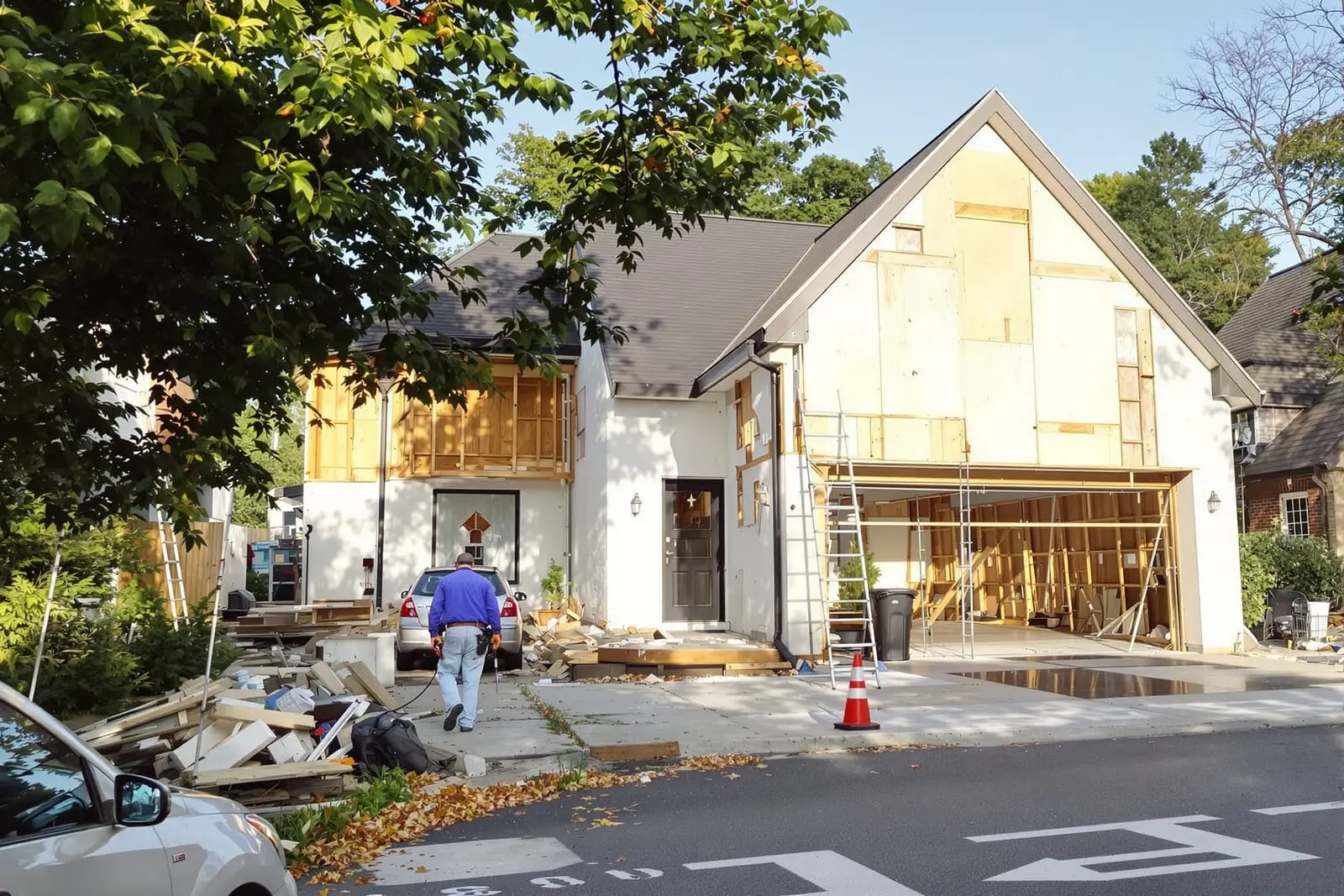
We provide soft strip and pre renovation demolition for residential projects in Denver, CO, removing fixtures, finishes, and non structural elements. Our crew takes out cabinets, flooring, ceilings, and trim while leaving framing and key systems intact. Start your remodel cleanly with minimal dust and disruption.
Wrexo Demolition Denver provides professional soft strip demolition throughout Denver, CO and the surrounding area. Our licensed, insured crew delivers safe, clean, on-time work with a free estimate before anything begins. Call (720) 315-7877 or request your free quote.
Soft Strip Demolition in Denver Homes: What It Really Means
Soft strip demolition is the careful removal of interior finishes and non-structural elements to get your home ready for renovation without damaging what needs to stay. Wrexo Demolition Denver focuses on occupied and unoccupied residential properties in the Denver area, where every project must account for existing structure, age of the home, and local building conditions.
In a typical soft strip project we remove items like cabinets, trim, interior doors and frames, non-load-bearing partitions, drywall, plaster, floor coverings (carpet, tile, vinyl, hardwood slated for replacement), ceilings, built-ins, bathroom and kitchen fixtures, and sometimes non-structural masonry veneers. We leave intact anything that is structural or designated to remain, such as load-bearing walls, floor and roof framing, main stair structures, and foundation elements.
Because Denver housing stock ranges from early 1900s brick bungalows to 90s subdivisions and new infill, we start each job with an on-site walk-through. Older homes in neighborhoods like Capitol Hill or Baker often have lath and plaster, lead paint, and hidden knob-and-tube wiring, while newer homes in Stapleton or Green Valley Ranch usually involve more drywall, engineered lumber, and modern wiring. Understanding what kind of house you have tells us which techniques and protections are needed for a safe, precise soft strip.
Our Step-by-Step Soft Strip & Pre-Renovation Process
Wrexo Demolition Denver uses a repeatable, documented process so your renovation starts clean and on schedule.
1. Site assessment and scope confirmation. We walk the space with you or your contractor, mark what stays and what goes with tape and notes, identify structural items, and flag utilities and potential hazards. In basements and older Denver homes we pay extra attention to low ceiling framing, steel columns, and unpermitted changes made by previous owners.
2. Utility verification and shutdowns. Before we remove a single fixture we locate and verify shutoffs for water, gas, electrical circuits, and, when needed, low-voltage lines and security systems. In winter months we coordinate so that heat is maintained where necessary to prevent frozen pipes while still safely isolating work areas.
3. Protection and containment. We protect flooring that will remain with ram board or plywood, cover stair rails and banisters, and set up dust containment using poly sheeting and zip walls. Return air grills and supply vents are sealed so dust is not pulled into your HVAC system. In attached Denver homes and duplexes, we add extra sound and dust barriers along shared walls.
4. Systematic removal. We dismantle items in a controlled order, typically starting from the top and working down: light fixtures and ceiling finishes, then upper cabinets, wall finishes, lower cabinets, trim, and finally flooring. Materials that are to be salvaged for re-use, like solid core doors, cast-iron tubs, or quality hardwood trim, are removed using hand tools and labeled for storage.
5. Segregation and removal of debris. Materials are sorted for disposal, recycling, or reuse as we work. Concrete, metal, cardboard, and clean dimensional lumber are separated when volume makes recycling practical. This reduces disposal costs and waste, which is important when roll-off access in tight Denver alleys is limited.
6. Final prep for trades. After demolition we perform a detailed sweep for protruding fasteners, hidden debris inside wall cavities, and any remaining adhesives that could interfere with new finishes. We then walk the site with you or your GC so framing, plumbing, electrical, and HVAC trades receive a space that is genuinely ready for rough-ins.
What Drives the Cost of Soft Strip Demolition in Denver
Homeowners often ask why two projects that look similar on paper can have very different prices. Soft strip demolition costs in Denver are shaped by specific factors that we review transparently in every Wrexo Demolition Denver estimate.
1. Age and construction type of the home. Pre-1978 homes may require lead-safe work practices, which involve extra containment, HEPA filtration, and specialized cleanup. Brick homes with plaster, like many in Highlands, take longer to strip cleanly than standard drywall, which affects labor hours.
2. Access and debris logistics. Narrow Denver streets, tight alleys, overhead power lines, and limited driveway space impact how we stage debris. If we cannot set a roll-off container near the home, we may need smaller trailers or additional labor to move material to the street legally and safely, which raises costs slightly.
3. Quantity and type of finishes. Removing multiple layers of flooring, tile on heavy mortar beds, or glued-down engineered flooring takes significantly more time than pulling carpet and pad. Bathrooms with stone tile and mud beds or kitchens with full-height backsplash tile will be priced differently than simple paint and vinyl finishes.
4. Hazardous materials. Lead-based paint, asbestos-containing materials (like vinyl sheet flooring, some ceiling textures, or old duct insulation), and mold require testing and, if present, either careful work-arounds or coordination with licensed abatement contractors. We do not perform asbestos abatement, but we identify suspect materials early so there are no budget surprises mid-project.
5. Salvage and protection level. If you want to keep high-end appliances, custom cabinets, specialty lighting, or historic trim, we spend more time removing and labeling pieces carefully. When a project calls for basic gutting with minimal salvage, the cost per square foot can be lower.
We provide line item detail for larger soft strip jobs so you and your designer or contractor can see what is driving cost, then adjust scope if needed. This approach keeps Denver homeowners in control of their renovation budgets from day one.
Handling Common Problems Before They Slow Your Renovation
Soft strip demolition often reveals hidden conditions that were not on the architect’s drawings or in the home inspection. Wrexo Demolition Denver plans for these realities so your project does not stall the first week.
Hidden mechanical and electrical lines are one of the most frequent discoveries. Previous owners may have run plumbing or wiring through walls that are marked as non-structural on plans. Our crews open inspection holes at key points before fully removing walls, which lets us confirm pipe and wire paths and avoid service interruptions.
Unpermitted remodels in Denver bungalows and mid-century homes can lead to surprises such as drywall laid directly over old paneling, multiple ceilings stacked on top of each other, or live junction boxes buried behind walls. We flag these conditions for your electrician or GC immediately and adjust our approach so that they can be corrected in the proper sequence.
Moisture and mold in basements is another common issue, especially in older homes in neighborhoods like Sloan’s Lake or Park Hill where drainage may be imperfect. During soft strip we remove finishes back to concrete or masonry walls so that any moisture problems are exposed. If we find suspect mold, we stop, photograph the area, and coordinate with a remediation professional instead of simply tearing through and spreading spores.
Structural surprises also come up. A wall called out for removal may turn out to be load-bearing because of past alterations. Our team is trained to recognize tell-tales like point loads, continuous headers, and changes in joist direction. When that happens we pause demolition at that location and involve your engineer or GC before any structure is cut. This attention prevents sagging floors, cracked finishes, and serious safety issues later.
By anticipating these problems and building time for investigation into our process, we help keep Denver renovation schedules realistic and protect both your budget and your home.
Safety, Cleanliness, and Working in Occupied Denver Homes
Many soft strip and pre-renovation projects happen while owners are still living in part of the home. Wrexo Demolition Denver works differently in occupied houses than in vacant flip projects, and our process is tailored to reduce disruption.
We start by defining clean and dirty zones. Work areas are isolated with heavy plastic, zip doors, and floor protection. Access routes are covered and kept clear so you, your family, and pets are not crossing through debris. In multi-story homes, we often dedicate one stairway to work traffic and keep the other primarily for your use when layout allows.
Dust control is a priority in our climate, where low humidity means fine dust travels easily. We use targeted demolition rather than sledge-first methods, HEPA-filtered vacuums attached to certain tools, and air scrubbers when required. Vents in work areas are sealed so your HVAC does not distribute dust into bedrooms and living spaces.
Noise and schedule are coordinated ahead of time. We work within Denver noise ordinances and, when you share walls with neighbors, we schedule the loudest tasks for windows of time that create the least disturbance. For condo and townhouse projects we can attend HOA meetings or provide scope documents that explain exactly what we will be doing and for how long.
Daily cleanup is non-negotiable. At the end of each day we consolidate debris, remove tripping hazards, vacuum main paths, and ensure nails and sharp objects are not left where kids or pets might wander. This level of care is particularly important for families remaining in the home during phased remodels.
Coordinating With Your Designer, General Contractor, or DIY Plan
Soft strip and pre-renovation demolition sits at the hand-off point between your existing house and the new design. Wrexo Demolition Denver is used to working under different project setups and we adjust our involvement to what you need.
When a general contractor is in charge, we follow their demo plans, RFIs, and sequencing requirements. We participate in pre-construction meetings, clarify which walls, soffits, and built-ins are to be removed, and confirm dumpster placements and access rules. This makes our work predictable for framers, plumbers, and electricians who follow us.
If you are managing a designer-led renovation, we help translate drawings into field decisions. For instance, if plans call for removing a wall to open a kitchen but on site we find mechanical chases or structural posts inside that wall, we document the condition with measurements and photos so your designer can adjust cabinetry or layout before framing begins.
For homeowners taking a more hands-on or DIY approach, we can provide a stand-alone demolition scope with recommendations for what to handle yourself and what is better left to a professional crew. We can also phase our work so that certain areas are opened first for inspections or engineering, then the rest of the soft strip follows once approvals are in.
We also coordinate with inspectors when needed. While soft strip demolition itself usually does not require a separate permit, it is often the first visible activity on a permitted remodel. We respect Denver Community Planning and Development rules about debris placement, hours, and safety so your permit standing is protected.
Why Choose Wrexo Demolition Denver for Residential Soft Strip Work
Hiring a demolition company for pre-renovation work is different from hiring a crew to knock down a garage. In a soft strip setting, precision and planning matter more than brute force. Wrexo Demolition Denver has built its residential service around the specific needs of Denver homeowners and remodelers.
Local experience across Denver neighborhoods means we know what to expect behind many types of walls and finishes. We have worked in dense urban houses where access is only through a shared alley, split-level homes from the 70s and 80s, and new infill properties with strict HOA rules. This history lets us offer realistic timelines and budgets instead of guesswork.
Our crews are demolition specialists, not day labor pulled together at the last minute. They are trained to read plans and structural notes, follow lead-safe practices where applicable, and communicate discoveries before they become problems. Supervisors remain on site or on quick call throughout your project so decisions get made fast.
We also understand that soft strip demolition is often the first real step you see on a long renovation journey. Our goal is to leave you, your contractor, and your designer with a clean, clearly prepared shell that reflects the scope you planned, not a mess that others must untangle. Careful labeling of utilities and remaining elements, clear debris removal, and thorough end-of-job walkthroughs are standard, not extras.
If you are planning a renovation in Denver and want a soft strip partner that treats your home with respect while keeping to a professional builder’s schedule, Wrexo Demolition Denver is structured specifically for that role.
“
Professional soft strip and pre-renovation demolition (residential), done right the first time, quality materials, honest pricing, and results that last.
Wrexo Demolition Denver
Soft Strip and Pre-Renovation Demolition (Residential) Across Our Service Area