Home › Commercial Demolition Debris Hauling and Disposal
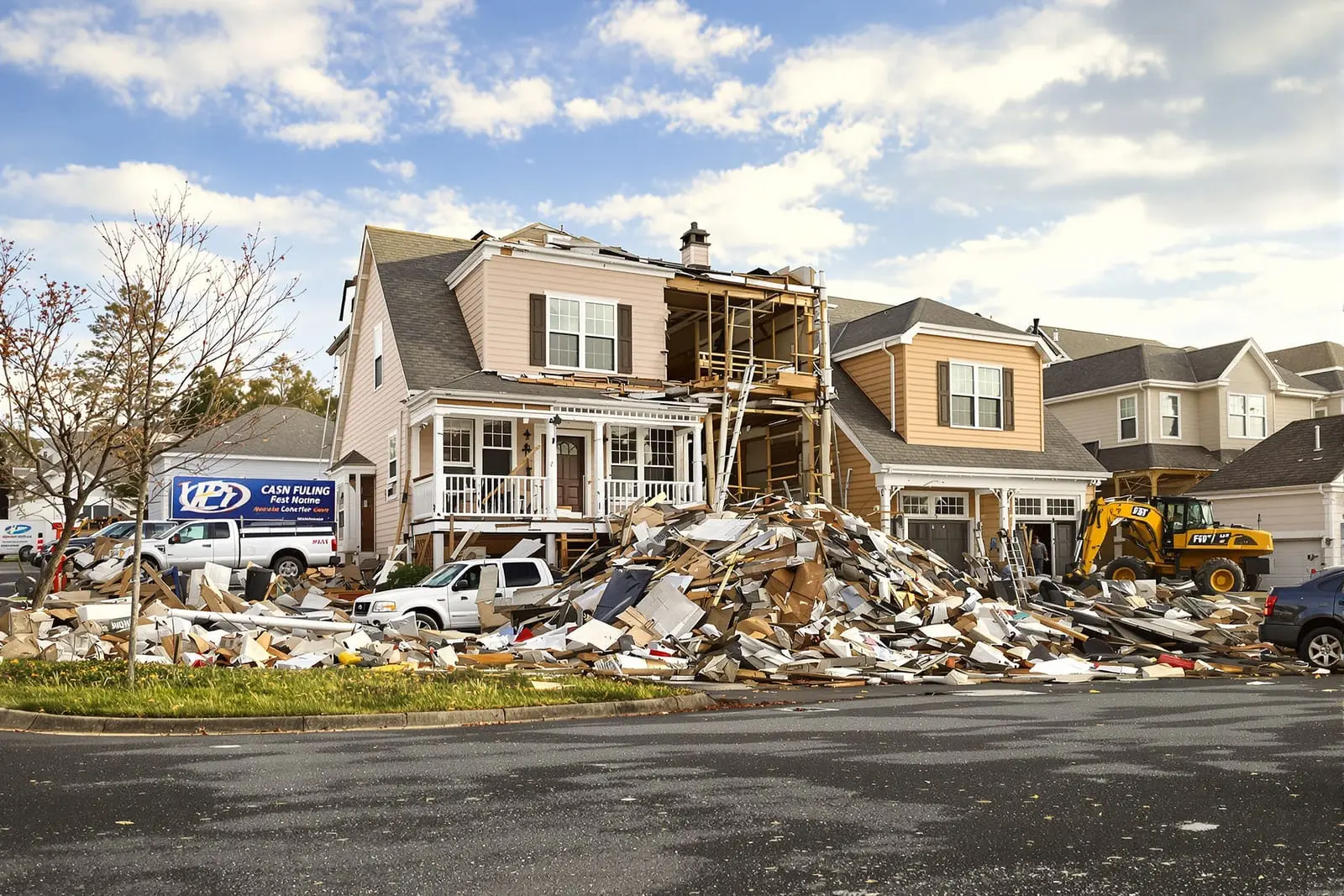
We provide commercial demolition debris hauling and disposal in Denver, CO using roll off containers, trucks, and recycling outlets. Our crews load and separate concrete, scrap metal, wood, and general debris to keep your site clean and safe. Maintain productivity and compliance with professional debris management.
Wrexo Demolition Denver provides professional commercial demolition debris removal throughout Denver, CO and the surrounding area. Our licensed, insured crew delivers safe, clean, on-time work with a free estimate before anything begins. Call (720) 315-7877 or request your free quote.
Commercial Demolition Debris Removal in Denver, Done Right
When a commercial building in Denver comes down, the debris removal is just as important as the demolition itself. Wrexo Demolition Denver focuses on commercial demolition debris removal so your project site is safe, compliant, and ready for the next phase of construction without delays.
We handle debris from retail centers, warehouses, offices, restaurants, schools, and light industrial properties throughout the Denver metro area. Our crews are trained specifically for tight urban sites, older buildings with unknown materials, and active commercial campuses where you cannot afford disruption or safety issues.
From the first walk through, we look at your structure type, access points, and schedule so we can build a debris hauling and disposal plan that fits your project instead of forcing you into a one size approach. Whether you are doing an interior gut of a LoDo storefront or removing a small warehouse in Commerce City, we tailor manpower, equipment, and disposal methods to your exact needs.
How Our Debris Hauling and Disposal Process Works
Every commercial debris removal project starts with a site assessment. Wrexo Demolition Denver reviews your plans, walks the property, and identifies material types such as concrete, brick, metal, drywall, roofing, and any potential regulated materials. We also note ceiling heights, elevator access, loading dock availability, and alley clearances, which are often critical in central Denver.
Next, we plan sequencing. For interior commercial demolitions, we usually start with hand removal of fixtures, millwork, and non structural elements. Debris is staged in designated areas using carts, trash chutes, or skid steers, depending on the building configuration. In high rises, we typically use heavy duty carts and freight elevators during off peak hours to keep your building functional for tenants.
Once staging is defined, we match the right trucks and containers to the job. For tight downtown sites, we commonly rotate 10 to 20 yard roll off containers that can be swapped quickly in alleys or loading bays. For larger exterior demos with good access, we may bring in 30 yard cans, end dumps, and dump trucks to move large volumes of concrete and structural steel.
Throughout the work, our crews sort materials as much as practical while loading. Clean concrete, metals, and untreated wood are separated from mixed construction and demolition debris so they can go to local recycling facilities instead of landfill. This sorting happens in a way that does not slow your schedule, using different staging piles and color coded containers.
At the end of each shift, we clear walkways, entries, and fire exits, then sweep or mechanically clean where needed so your site remains orderly and safe for other trades and for any tenants or customers who still occupy neighboring spaces.
What We Haul and Where It Goes in the Denver Area
Commercial demolition produces a wide variety of materials, and each type needs to be handled correctly to control cost and remain compliant with Denver area regulations. Wrexo Demolition Denver is set up for this mix, which often includes concrete and masonry, structural steel, rebar, metal studs, roofing, insulation, drywall, ceiling grid, flooring, glass, and commercial fixtures.
Concrete and masonry from warehouse slabs, loading docks, CMU walls, and sidewalks are crushed and hauled to regional concrete recycling facilities whenever possible. These materials are frequently processed into road base or fill, which helps you meet sustainability goals that many Denver developers and property managers now require.
Scrap metals such as steel beams, bar joists, copper piping, conduit, and aluminum storefront systems are sorted and directed to metal recyclers. On some projects, especially industrial or mechanical rooms, we can often reduce your net disposal costs by maximizing the metal recycling stream.
Mixed construction and demolition debris, a blend of drywall, insulation, small wood, packaging, and non recyclable plastics, is taken to permitted C&D processing facilities or landfills that accept commercial loads in the Denver metro area. We maintain relationships with multiple facilities so we can choose the most cost effective and appropriate destination based on what is in your debris stream.
Fixtures and specialty items from restaurants, retail fit outs, and offices, such as walk in coolers, shelving, and cabinetry, are either recycled as scrap, repurposed through local salvage channels where feasible, or disposed of according to material type and condition.
Cost Factors and Scheduling Tips for Denver Commercial Projects
Commercial demolition debris removal costs vary, and we are transparent about what drives your price. The biggest factors are total volume of debris, type of materials, site access, distance to disposal facilities, and project timeline. For example, an interior strip out on the 20th floor with limited freight elevator windows will cost more per cubic yard than a single story warehouse with a wide open yard and easy roll off access.
Material type matters because clean concrete and metals can often go to recycling, which may reduce the blended disposal rate. In contrast, loads that are mostly drywall, insulation, and mixed trash have fewer outlets, and fees at C&D processing facilities or landfills can be higher. Wrexo Demolition Denver evaluates your debris mix in advance and explains where each material is likely to go and how that affects your budget.
Access drives both labor and hauling costs. Narrow downtown alleys, limited parking, and active retail plazas typically require smaller containers, spotters for truck movements, and off hours deliveries. We factor these realities into the plan so you are not surprised later. If you can secure a dedicated staging area for debris and containers, we can often bring your price down by reducing handling.
Timing also matters in Denver. Winter work is absolutely doable, but snow, ice, and shorter daylight hours can slow exterior loading and trucking. For large exterior demo and heavy concrete removal, late spring through early fall typically offers the most predictable schedule and may lower standby time. Interior debris removal is less weather sensitive but still benefits from planning around building quiet hours so elevator and dock use is more efficient.
For budgeting, many commercial clients start with a rough cost per cubic yard or per ton based on past projects. We are happy to provide preliminary numbers, then refine them after a walkthrough and review of plans so you can lock in a realistic budget before demolition starts.
Safety, Compliance, and Handling Problem Materials
Commercial demolitions often reveal surprises once walls and ceilings are opened. Wrexo Demolition Denver structures every commercial demolition debris removal project around safety and regulatory compliance so those surprises are managed, not ignored.
Before work begins, we review any existing hazardous materials surveys, especially for older Denver buildings that may contain asbestos, lead based paint, PCB ballasts, or mercury containing lamps. If regulated materials are present, we coordinate with your environmental contractor or can recommend third party specialists to remove and dispose of those materials separately. Our crews do not treat regulated waste as normal debris, which protects you from costly violations and project shutdowns.
On active commercial sites, we set clear pedestrian and vehicle separation. That can mean temporary fencing, cones, and spotters for backing trucks in busy parking lots, and signage alerting tenants and customers about debris routes and loading schedules. In high traffic downtown locations, we often schedule container swaps early in the morning to minimize conflicts with deliveries and commuters.
Common problems that we solve include inadequate dock space, elevators going out of service, and unmarked utilities that complicate demolition sequencing. To manage these, we keep flexible hauling schedules, stage debris temporarily when needed, and adjust equipment types on short notice. Our priority is to keep debris leaving the site consistently so the demolition itself is never held up waiting for containers or trucks.
All debris loads are accompanied by scale tickets or disposal receipts. For property owners, general contractors, and facility managers who must document diversion rates, we can provide summary reports showing tons of concrete, metal, and mixed debris along with the facilities used, which supports green building and internal sustainability reporting.
Why Denver Contractors Trust Wrexo for Debris Hauling
Commercial demolition moves fast, and you need a debris removal partner that can keep up. Wrexo Demolition Denver is built for commercial schedules, change orders, and the coordination realities of working around multiple trades and tenant requirements.
We maintain our own equipment and work with a consistent group of vetted haulers so container swaps and truck dispatches happen on schedule. When you call for a pull, you want confidence that a truck will actually show up in the window you were given. Our dispatchers know Denver traffic patterns, event schedules, and weather impacts, and they plan routes realistically so your demolition crews are not standing idle.
Because we focus on both demolition and debris removal, we understand how debris flow affects your project critical path. We will tell you honestly if you need additional containers, more frequent pulls, or a different staging layout to keep your schedule on track. Our goal is to prevent debris from ever becoming the bottleneck.
If you are planning a commercial renovation or tear down in Denver, from a small office interior to a multi building complex, we can review your drawings, walk the site, and put together a practical debris hauling and disposal plan. You will know how the debris will move from the work area to the truck, where it will go, and what it will cost, before the first wall comes down.
“
Professional commercial demolition debris hauling and disposal, done right the first time, quality materials, honest pricing, and results that last.
Wrexo Demolition Denver
Commercial Demolition Debris Hauling and Disposal Across Our Service Area