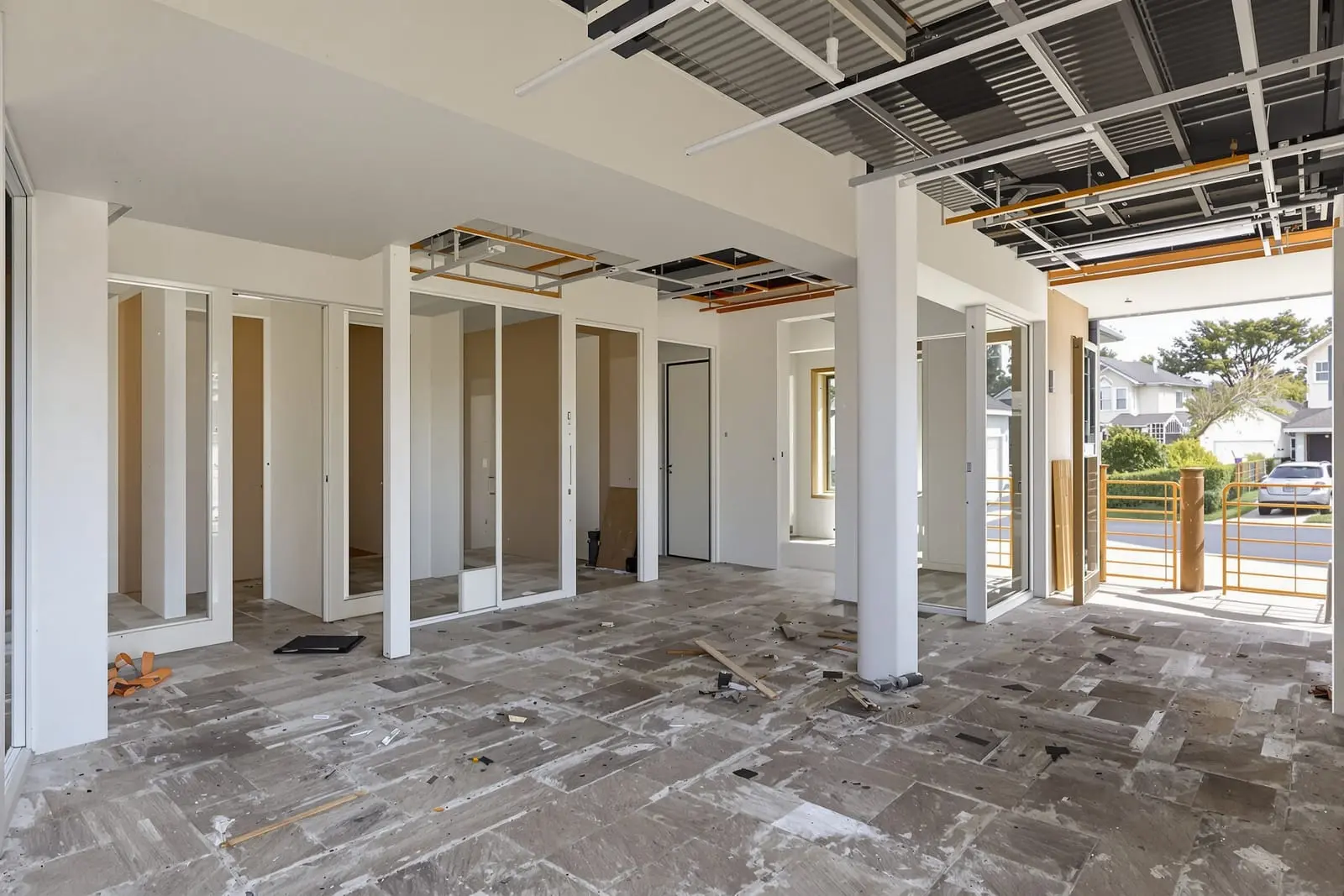
We provide interior commercial demolition in Denver, CO for office remodels, retail build outs, and tenant improvements. Our crews remove walls, ceilings, flooring, and mechanical systems while maintaining building operations where needed. Expect clean, efficient demo that keeps your project schedule moving.
Wrexo Demolition Denver provides professional interior commercial demolition throughout Denver, CO and the surrounding area. Our licensed, insured crew delivers safe, clean, on-time work with a free estimate before anything begins. Call (720) 315-7877 or request your free quote.
Interior Commercial Demolition in Denver, Done the Right Way
Interior commercial demolition in Denver is not just tearing things out, it is carefully taking a building apart from the inside so your new layout can go in safely and on schedule. Wrexo Demolition Denver focuses on interior demo for offices, retail spaces, restaurants, warehouses, and mixed‑use buildings across the metro area.
Denver has a wide mix of building ages, from early 1900s brick storefronts along Colfax and South Broadway to 1980s office parks in DTC and newer infill properties in RiNo and LoHi. Each era uses different materials and construction methods. That is why we start with a walk‑through to identify wall types (stud and drywall, plaster, CMU), ceiling systems, floor assemblies, and any potential hazards like asbestos or lead paint.
Our role is to strip out what your architect and contractor need gone, while protecting what must stay. Structural columns, main beams, party walls, fire‑rated assemblies, and shared utilities need to remain intact and code compliant. Interior commercial demolition sets the tone for the entire buildout, so we treat this phase with the same care as a finished trade, not as rough work.
Our Interior Commercial Demolition Process in Denver
Every project begins with a site visit. A Wrexo Demolition Denver estimator walks the space with you or your GC, reviews plans, and notes which partitions, ceilings, casework, or mechanical systems are to be removed. We also check access points, freight elevators, loading docks, and parking so we can plan debris handling without disrupting neighboring tenants.
Next comes investigation. In older Denver buildings, especially pre‑1980 structures downtown or along Federal and Colfax, we often recommend testing for asbestos in floor tile, glue mastic, pipe insulation, and some textured coatings. If the building predates 1978, we also consider potential lead paint on trim or doors. We coordinate with licensed testing and abatement partners if needed.
Once we understand the conditions, we create a detailed scope and sequence. Typical interior commercial demolition tasks include removal of non‑load‑bearing walls, acoustical ceilings and grid, interior doors and frames, casework and built‑ins, floor coverings, select plumbing fixtures, and obsolete electrical devices and low‑voltage cabling. We schedule around building quiet hours and tenant operations, which is especially important in multi‑tenant office towers and active shopping centers.
During demolition, we work methodically from top down and from the interior out. That limits damage to remaining finishes and makes dust control more manageable. Our foreman keeps daily notes and photo updates so your project manager always knows what was completed and what is coming next.
What We Can Remove, Protect, or Partially Demolish
Interior commercial demolition is rarely all‑or‑nothing. Most Denver buildouts involve keeping parts of the existing space. Wrexo Demolition Denver is used to detailed, selective removal.
Common removal items include metal or wood stud partitions, demountable office systems, break room cabinets and countertops, acoustical ceilings, interior storefronts, carpet and VCT, tile in restrooms and kitchens, and older lighting fixtures. We also remove specific mechanical elements such as abandoned duct runs, old RTU curbs inside ceiling cavities, and unused condensate lines, always coordinating with your mechanical contractor and the building engineer.
Items to protect often include main electrical gear and panels, fire alarm devices, active sprinkler lines and heads, structural slabs and beams, and exterior walls and windows. We use protection board, poly sheeting, temporary plywood barriers, and floor protection to safeguard these systems as we work.
Partial demolition is common when a client wants a more open concept but needs to retain some private offices or conference rooms. We might cut back a demising wall to a column line, remove only the upper portion of a wall, or strip finishes off a CMU wall so it can receive a new treatment. In historic Denver buildings, such as older brick warehouses converted to offices, we often expose original brick by removing furring, drywall, and old insulation without damaging the underlying masonry.
How Interior Commercial Demolition Is Actually Performed
On site, the work is a combination of hand tools and equipment sized to the building. In high‑rise or fully occupied buildings downtown, most of the interior commercial demolition is done by hand with saws, rotary hammers, pry bars, and small electric breakers. That keeps noise and vibration within acceptable building rules.
For slab cuts, heavy tile, or thick toppings you might see in older industrial spaces in RiNo or near Globeville, we use concrete saws and larger breakers with wet cutting and vacuum attachments to control dust. We map out existing utilities so concrete cuts do not compromise plumbing or electrical lines.
We stage debris in heavy‑duty carts or bins and move it to a designated loading area using service corridors and freight elevators. If the property has a dock, we time haul‑offs to match building delivery windows. In tighter urban locations with no dock, we plan smaller, more frequent debris runs to avoid blocking alleys or sidewalks.
Throughout demolition, we cap and make safe any exposed utilities. Our crews can disconnect and cap branch plumbing (sinks, toilets, break room lines) and remove device boxes and conduit back to a safe point, always leaving final terminations to licensed trades as required by Denver code and the building rules.
Managing Dust, Noise, and Tenant Disruption
In active buildings, the biggest concerns are dust, noise, and odors. Wrexo Demolition Denver uses practical controls that work in real Denver conditions, including winter builds and summer heat.
For dust, we install poly containment walls with zipper doors around the work zone and use negative air machines with HEPA filters vented to the exterior where allowed. We often coordinate with building engineers to avoid pulling dust into shared HVAC systems, which is a common issue in mid‑century office buildings along Colorado Boulevard and in the Tech Center.
We schedule the loudest work (slab demo, heavy tile removal, metal stud cutting) during agreed windows, often early mornings, evenings, or weekends, especially in medical office buildings and professional suites where clients are present during the day. We clearly label work areas, coordinate elevator holds, and follow building security procedures to keep other tenants comfortable and safe.
Odor control is handled by choosing low‑odor adhesives and primers if any temporary patching is required, and by ventilating during and after work. We also maintain daily clean‑up so corridors and common areas are vacuumed and mopped as needed before neighboring businesses open.
Pricing, Permits, and What Drives Cost in Denver
Interior commercial demolition costs in Denver vary depending on building age, access, and complexity. Wrexo Demolition Denver prices projects based on actual conditions on site, not generic square‑foot averages.
Key cost drivers include:
1. Hazardous materials. If asbestos or lead are present, the testing and abatement are separate costs, but the presence of these materials also affects the pace and sequence of demolition. Older properties in Capitol Hill, Five Points, and original downtown high‑rises are more likely to require this step.
2. Access and logistics. Tight downtown sites with limited parking, no dock, or restricted freight elevator hours require more labor and time. Ground‑level retail with direct dumpster access in places like Highlands Ranch or Lakewood is typically more efficient to service.
3. Volume of material and weight. Removing multiple layers of flooring, heavy ceramic or stone tile, concrete toppings, or built‑in casework can be more labor intensive and more expensive to dump than simple drywall and carpet.
4. Structural complexity and selectivity. Cutting around structural elements, saving certain walls or soffits, or working around active mechanical systems takes more time than a full gut.
We assist with permit questions as well. In many Denver jurisdictions, interior non‑structural demolition is included in the overall building permit pulled by your general contractor. For stand‑alone demo scopes, we can provide documentation and details to help your team secure any required approvals from the city, the fire department, or the building management.
Wrexo Demolition Denver focuses on interior commercial demolition so you get a crew that understands how to work inside occupied, managed buildings throughout the metro area. We are familiar with the expectations of downtown office towers, suburban campuses, neighborhood retail centers, and historic brick buildings.
Our team is trained in safety practices specific to interior demo. That includes lockout and tagout of circuits being demolished, proper handling of suspect materials until testing is complete, ladder and scaffold safety in tight corridors, and debris handling that keeps hallways and exits clear. We carry appropriate insurance and follow site specific safety plans for each project.
We also focus on recycling and responsible disposal. Many commercial interiors include metals, clean cardboard, and sometimes carpet that can be diverted from landfill. We separate materials where feasible and work with Denver area facilities to recycle what we can.
Most importantly, we communicate. Commercial interiors often change mid‑project as owners refine their vision or uncover existing conditions. We walk the site with your superintendent, flag conflicts early, and offer practical sequencing suggestions so framing, MEP, and finishes can move in right behind us. The goal is simple: interior commercial demolition that sets up your Denver project for a smooth, predictable buildout, without surprises for your schedule or your neighbors.
“
Professional interior commercial demolition, done right the first time, quality materials, honest pricing, and results that last.
Wrexo Demolition Denver
Interior Commercial Demolition Across Our Service Area