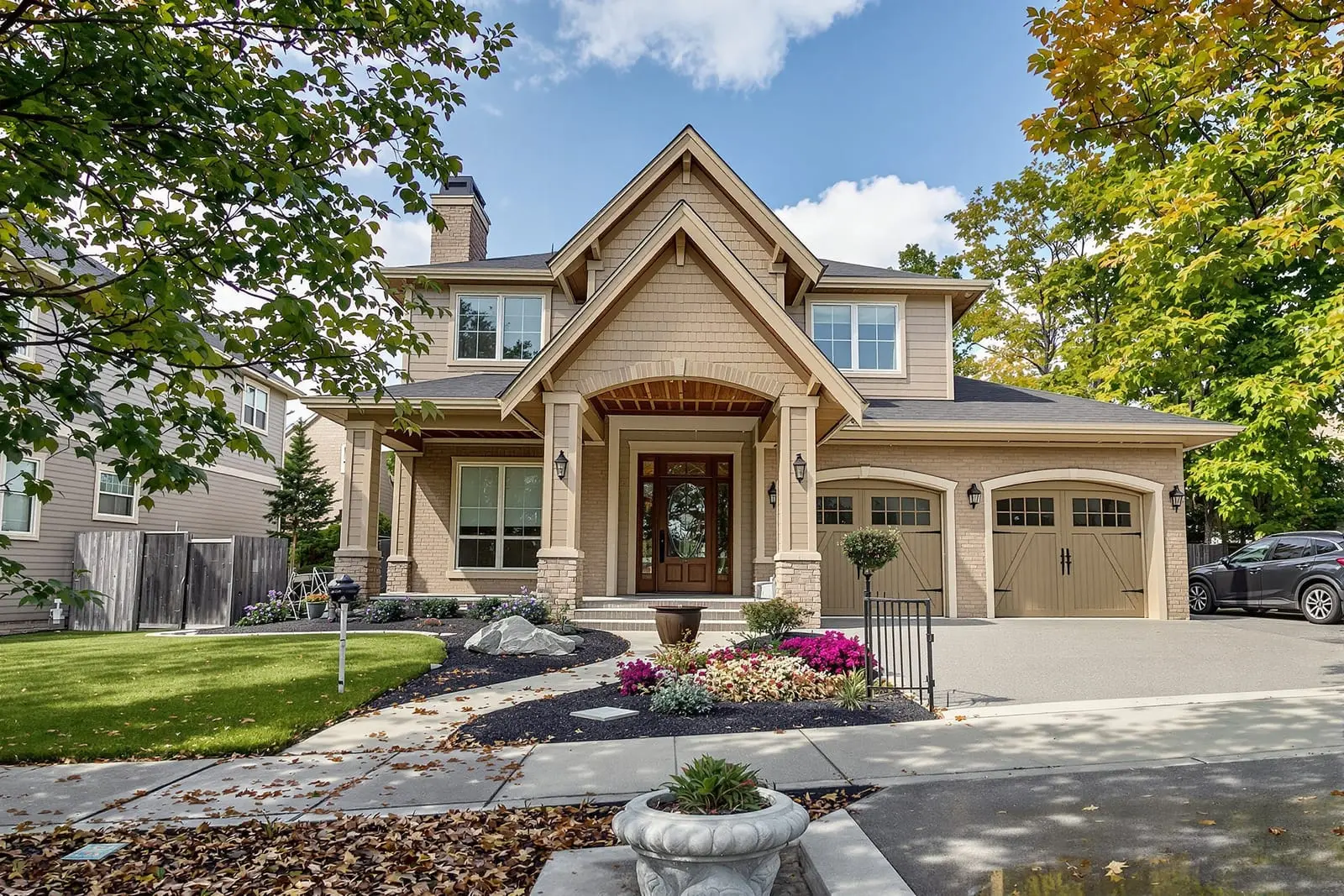
Our residential salvage and deconstruction services in Denver, CO focus on carefully dismantling structures so materials can be reused or donated. We remove doors, windows, hardwoods, fixtures, and architectural details with minimal damage. Choose deconstruction to reduce landfill waste and capture more value from your project.
Wrexo Demolition Denver provides professional residential deconstruction throughout Denver, CO and the surrounding area. Our licensed, insured crew delivers safe, clean, on-time work with a free estimate before anything begins. Call (720) 315-7877 or request your free quote.
Residential deconstruction in Denver done the right way
Residential deconstruction is not just “careful demo.” It is a planned, labor-heavy process where we take apart your house piece by piece so materials can be reused, resold, or recycled instead of going to landfill. Wrexo Demolition Denver focuses on this kind of work for Denver homeowners who want to keep valuable materials out of the dumpster and protect what they plan to keep.
In practical terms, residential deconstruction makes the most sense for full or partial gut remodels, pop-tops, and tear-downs on older Denver homes in neighborhoods like Park Hill, Berkeley, Wash Park, and the west side suburbs. Many of these houses were built between the 1920s and 1970s, which means real dimensional lumber, old-growth framing in some cases, solid-core doors, original brick, and sometimes hardwood flooring under carpet. We identify which parts of your structure actually have salvage value before we touch a tool.
If you are trying to decide between standard mechanical demo and deconstruction, we walk you through both options. In some cases, the extra labor of deconstruction is worth it because of recovered material value or potential tax deductions from donated materials. In other cases, a hybrid approach makes more sense. The goal is to match the level of salvage to your budget, schedule, and project scope, not to push the most expensive option.
Our step-by-step residential deconstruction process
Wrexo Demolition Denver follows a clear sequence so you know what is happening on your property each day.
1) Site walk and material inventory: We start with a detailed walkthrough to identify salvageable items. This includes hardwood flooring, fir or pine framing lumber, brick, stone, kitchen cabinets, vintage fixtures, radiators, trim, doors, windows, fencing, and even landscaping elements if they can be reused. We also look for problem items like asbestos floor tile or vermiculite insulation, so we can bring in licensed abatement if needed.
2) Planning and permits: For structural deconstruction or removal of major building elements, Denver requires permits similar to demolition. We prepare a scope that the city and your general contractor can review. If you plan to donate materials, we coordinate with local reuse organizations or your chosen donation partner and plan load-out and documentation.
3) Utility shutoffs and protection: Before we remove anything, we confirm gas, power, and water status with your contractor or utility providers. We install floor protection and dust control where you are keeping part of the home, such as laying Ram Board, hanging plastic barriers, and creating a clean path to exits so the rest of your house is not tracked with debris.
4) Soft strip and salvage: We remove appliances, fixtures, doors, cabinets, trim, and other non-structural items by hand. Materials you plan to keep are labeled and stacked in a designated area, typically a garage or container. Items headed to reuse centers are sorted and staged separately. We use screw guns instead of prybars where possible so we can pull items in whole pieces instead of breaking them.
5) Structural deconstruction: When framing, roofs, or full walls are coming out, we work in a planned sequence, usually from top down. For example, in a Denver bungalow pop-top, we might first remove finishes and flooring on the second level, then decking, then rafters, preserving rafters and joists that have resale or reuse value. We brace remaining structure so what is left is safe and ready for the builder.
6) Sorting, hauling, and site cleanup: Salvaged items are loaded separately from mixed debris. Metals, clean lumber, concrete, and brick are separated where possible so they can enter recycling streams instead of landfill. We finish with magnet sweeps for nails, a rough vacuum or sweep in kept areas, and a final walkthrough with you or your contractor.
What can actually be salvaged in Denver homes
Not every material in a Denver house is worth saving. Wrexo Demolition Denver is honest about what has real reuse value and what is better off recycled or discarded.
Commonly salvaged items:
• Flooring: Solid hardwood (oak, maple, fir) can often be pulled, denailed, and reused. This is common in older homes in neighborhoods like Congress Park and Highlands. Engineered floors usually do not come up cleanly and are rarely worth the labor.
• Framing lumber: Pre-1960 framing sometimes uses full-dimension lumber and better quality wood. When we encounter straight, long boards, especially in basements and attics, we may pull and bundle them for reuse.
• Doors and trim: Solid-core or panel doors, especially with original hardware, can be salvaged. Cased openings, baseboards, and window trim can often be removed intact in living and dining rooms where profiles are more decorative.
• Fixtures and cabinets: Vintage light fixtures, cast iron tubs, pedestal sinks, and mid-century cabinets are popular at local reuse centers. Many modern particleboard cabinets are not worth saving unless they are very new and in good condition.
• Masonry and concrete: Clean brick can sometimes be cleaned and reused for landscape walls or accent work. Unreinforced concrete can be crushed and recycled as base material at local facilities.
We also look at less obvious materials: metal railings, exterior doors, some roofing components, garage storage systems, and even well-built sheds that can be disassembled. Moisture damage, lead paint, heavy pet contamination, and structural cracking are all reasons we may recommend disposal or specialized treatment instead of reuse.
If you want the best possible salvage outcome, tell us early what you care about keeping. For example, if your priority is restoring old Douglas fir floors for the new design, we may adjust our sequence to protect those boards first and shift the crew accordingly.
Costs, timing, and what affects your deconstruction budget
Residential deconstruction takes more time and labor than standard demolition, and costs vary widely based on the house and the level of salvage you want. Wrexo Demolition Denver prices this work after a site visit, not from generic square foot numbers, because details matter.
Key cost drivers:
• Age and construction type: Older homes in areas like Baker or Five Points often have more valuable lumber and fixtures but also more surprises, such as plaster and lath behind drywall, multiple remodel layers, or knob and tube wiring. These conditions slow the crew down.
• Level of salvage: A full deconstruction where we try to save every possible material will cost more than a selective approach where we only pull specific items like floors, doors, and fixtures. We can also propose a capped budget with prioritized salvage items so costs are controlled.
• Access and layout: Tight Denver lots, narrow alleys, and small driveways impact how easily we can move materials out. If everything has to go through a finished part of the house, we add time for protection and careful handling.
• Hazardous materials: Asbestos, lead, and mold require specific procedures and licensed abatement in many cases. We coordinate with abatement contractors but their fees are separate. We do not cut corners on this because it affects your safety and future inspections.
Typical schedule: A soft strip and partial deconstruction for an interior remodel might take 2 to 5 days. A full-house deconstruction before a new build can run 1 to 3 weeks, depending on weather, house size, and the volume of salvage planned. We coordinate with your general contractor so framing crews are not waiting around while deconstruction finishes.
We are transparent about what deconstruction might save you in dump fees and potential material value, and what it cannot. Our proposals break out labor, hauling, equipment, and any third-party costs so you can compare apples to apples with standard demolition bids.
How we protect your property, neighbors, and the environment
Working on older Denver homes in tight neighborhoods requires more than a dumpster and a sledgehammer. Wrexo Demolition Denver plans residential deconstruction so it is safe, compliant, and as low impact as possible on your property and your neighbors.
Property protection: We treat the parts of the home you are keeping as if they are already finished. That means surface protection on floors and stairs, corner guards where we are moving heavy doors or tubs, and dust barriers to separate work zones from living areas. If you are living in the home during a phased project, we plan daily cleanup and maintain clear, safe walk paths.
Neighbor and city considerations: Many Denver lots are close together, and trash and noise can create friction fast. We stage materials neatly, keep debris inside designated areas, and manage parking for our crew as much as possible. For larger salvage projects, we schedule hauling to limit alley blockages and follow Denver rules on work hours and noise.
Environmental handling: Deconstruction is already more sustainable than mechanical demo because we divert materials from landfill. We take it a step further by separating metal, clean wood, masonry, and cardboard on site whenever space allows. We use local disposal and recycling facilities and can share diversion information with you or your project team if needed for green building documentation.
Safety: Our crew uses proper fall protection, respirators when cutting or disturbing dusty materials, and lockout procedures for utilities. Residential deconstruction often involves overhead work and partial structures, which is riskier than simple interior demo. We keep the site braced and never remove load-bearing elements without shoring and a clear plan.
What Denver homeowners should decide before hiring us
To get an accurate bid and a clean project, there are a few decisions you should make before Wrexo Demolition Denver starts your residential deconstruction.
1) Define what is staying: Are you preserving the foundation, exterior walls, or a specific addition While your architect or general contractor may answer this, your input helps. The more we know about what must be protected, the better we can sequence work.
2) Decide your salvage priorities: Are you focused on tax-deductible donations, saving specific materials for your own use, or just reducing waste where it is practical Make a short list of must-save items so we can build the plan around those first.
3) Choose where materials will go: Some clients want everything reusable donated to local reuse organizations. Others want to keep lumber and brick for future landscaping or outbuildings. If you want a donation receipt, we can coordinate timing and access with the receiving organization, but you may need an appraiser for large donation values.
4) Clarify who manages design and follow-on trades: We handle deconstruction and salvage, not architectural design or structural engineering. Your general contractor, designer, or engineer must confirm which walls can go, where new openings will be, and what level of removal is required. We are used to working under a GC and communicating daily as conditions are uncovered.
5) Understand that surprises are normal: In many Denver homes, hidden issues appear once finishes are removed, such as illegal wiring, unpermitted additions, or past water damage. We flag these and pause if they affect structure or safety. Build some flexibility into your budget and schedule for this.
If you are planning a remodel, addition, or tear-down and want to explore residential deconstruction instead of plain demolition, Wrexo Demolition Denver can walk your property, identify realistic salvage opportunities, and give you a straight, detailed plan for the work.
“
Professional residential salvage and deconstruction, done right the first time, quality materials, honest pricing, and results that last.
Wrexo Demolition Denver
Residential Salvage and Deconstruction Across Our Service Area