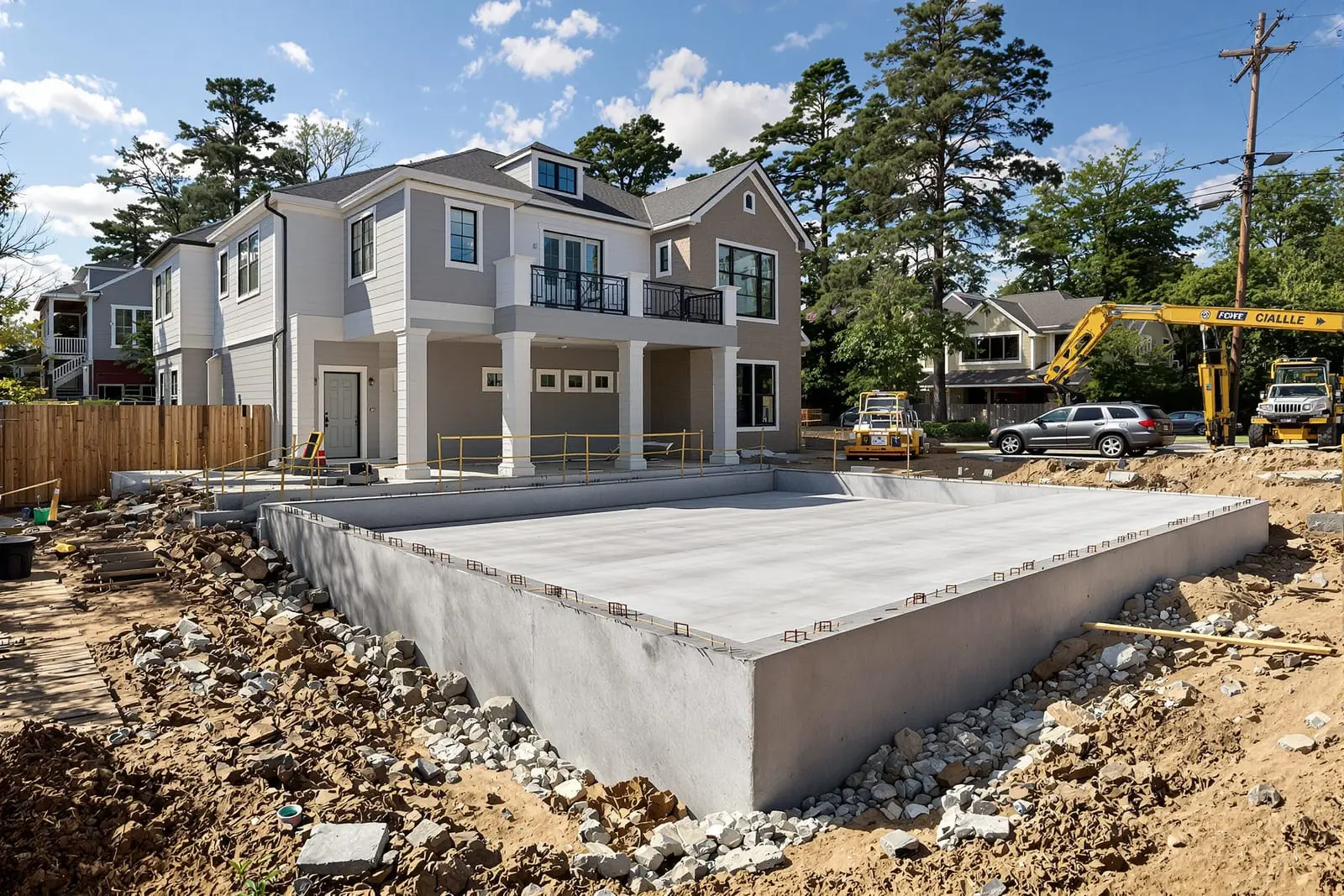
We perform concrete structural and slab demolition in Denver, CO for warehouses, plants, and commercial sites. Our equipment breaks and removes thick slabs, pits, machine pads, and foundations while protecting nearby structures. Get heavy concrete out of the way so your new construction can move forward.
Wrexo Demolition Denver provides professional concrete slab demolition throughout Denver, CO and the surrounding area. Our licensed, insured crew delivers safe, clean, on-time work with a free estimate before anything begins. Call (720) 315-7877 or request your free quote.
Concrete Slab Demolition in Denver, Done the Right Way
When you call Wrexo Demolition Denver for concrete slab demolition, you are not getting a quick smash-and-run crew. You are getting a team that plans around your structure, your utilities, and your schedule, then removes the concrete in a controlled way so the next phase of your project can start clean and on time.
In the Denver area, we are usually removing garage slabs that have heaved from frost, cracked driveways that were poured too thin, basement and interior slabs that need plumbing changes, and structural concrete like load-bearing beams, grade beams, and footings in remodels or additions. Every one of these needs a different demolition approach to avoid damaging foundations, framing, or underground lines.
We look at your site conditions first: age and thickness of the concrete, signs of rebar or mesh, visible cracking, access for equipment, and nearby structures or neighbors. From there, Wrexo Demolition Denver chooses the right combination of saw cutting, breaking, and hauling so your job is done efficiently and without surprise structural damage.
How Concrete Structural and Slab Demolition Actually Works
A typical concrete slab demolition project starts with a site visit. We verify slab thickness at edges or by test coring, check for post-tension cables or embedded steel, and locate utilities. In Denver, this means calling in utility locates when needed, then marking gas, water, electric, and sewer lines so we do not break anything while we work.
Next we plan our cuts. For garage floors, basements, and interior slabs, we nearly always use a concrete saw with water control to cut the slab into manageable sections. Clean cuts protect adjoining walls and footings from cracking. If the slab is tied into foundation walls, we score right along the cold joints so we separate the slab without chewing up your foundation.
Once cuts are in, we use skid steers, mini excavators, or handheld breakers depending on access. Tight Denver bungalows and row-style homes often require compact equipment that can fit through narrow side yards or even through a double door. For structural elements like grade beams, columns, and heavily reinforced pads, Wrexo Demolition Denver uses heavier excavators with hydraulic breakers and, when necessary, additional saw cutting to relieve stress at key points.
As we break and remove the concrete, we sort out rebar and wire mesh. Rebar is cut with torches or saws, pulled out, and placed in scrap steel piles for recycling. Concrete rubble is loaded into trucks or roll-off containers. We work section by section so the area stays safe and reasonably clean while the demolition is underway, not just at the end.
Cost Factors for Concrete Slab Demolition in Denver
Concrete slab demolition pricing in Denver is driven by a few real-world factors that matter more than square footage alone.
Thickness and reinforcement: A 3 inch broom-finish patio with no mesh is one kind of job. An 8 inch shop floor with rebar and radiant heat tubing is something else entirely. Thicker, heavily reinforced concrete takes more cutting, more breaker time, and more disposal weight, which directly increases cost.
Access and hauling distance: Alley access in older Denver neighborhoods, steep driveways in the foothills, and tight urban backyards can all limit the size of equipment and trucks we can use. If we have to hand-load or shuttle debris with smaller machines, labor time goes up. Longer hauls to disposal or recycling facilities also add to the overall price.
Structural involvement: If the concrete you want removed is tied into footings, supports a load-bearing wall, or is part of a retaining system, we treat it as structural demolition. We may coordinate with your engineer, shore framing, or stage the demo in phases. That additional planning and care is built into the quote.
Environmental and disposal considerations: Concrete from Denver jobs often goes to recycling yards where it is crushed for base material. Recycling keeps dump fees lower, but contaminated slabs (for example, with oil-soaked areas in old auto shops or adhesive residue) may require special handling and different disposal sites.
Handling Common Problems on Denver Concrete Jobs
Older concrete in Denver hides surprises. Wrexo Demolition Denver deals with these regularly, so we anticipate and manage them instead of stopping your project halfway.
Unknown reinforcement: Many 1950s and 1960s slabs in the city have random rebar or mesh that never shows on the surface. When we hit unexpected steel, we shift to more cutting and steel removal instead of simply hammering harder, which can damage adjacent substrates. Bringing the right blades and torches on day one avoids delays.
Frost heave and voids: Slabs that have pushed up from freeze-thaw cycles often have empty spaces underneath. As we break them, pieces can fall unpredictably. We work from stable zones toward the heaved or hollow sections so equipment and workers stay on solid ground.
Unknown utilities and drains: Interior slab demolition for basement remodels, ADUs, or new bathrooms often reveals old clay or cast iron sewer lines. We use careful exploratory cuts and test holes, then mark any active piping and demolish around it until it is time for your plumber to take over. If we accidentally locate an unmarked line, we stop and help you evaluate repair or reroute options before proceeding.
Noise, dust, and neighbor concerns: Denver neighborhoods can be tight and noise-sensitive. We plan work hours with you, use water suppression during saw cutting, and avoid unnecessary idle time with breakers. When a project requires it, we can set up temporary plastic barriers and use negative air options inside homes to keep concrete dust away from living areas.
Interior vs Exterior Slab and Structural Demolition
Interior and exterior concrete demolition in Denver share some methods but need different preparation.
Interior slab removal, like for basements, commercial tenant improvements, or cutting trenches for plumbing, requires dust and vibration control. Wrexo Demolition Denver typically brings in electric saws and breakers for interior work, uses water or vacuum attachments on saws, and lays down protective coverings on any finished areas we must cross. We coordinate with your contractor to know exactly where cuts must stop to protect bearing walls and existing footings.
Exterior work, such as driveways, patios, steps, walkways, and detached garage slabs, is more about access and runoff. We look at grading to make sure water does not pool near the area during demolition, especially during spring rain or snowmelt. We position equipment so we are not chewing up your yard any more than necessary, and in winter we plan around frozen ground, which changes how concrete fractures.
Structural members, such as concrete beams, columns, retaining walls, and thick equipment pads, are handled with a structural-first mindset. If an engineer has provided drawings, we follow them closely. Where there is no plan, we err on the side of shoring or leaving a safe amount of concrete in place until replacement supports are ready. The goal is to separate and remove the old structure without transferring loads to something that cannot safely handle them.
What to Do Before You Schedule Concrete Slab Demolition
Before Wrexo Demolition Denver arrives, there are a few steps that make the job smoother and may even save you money.
Clear access paths: Move vehicles, trailers, stored materials, play equipment, and anything fragile out of the way of equipment paths. The more direct and open our route to the concrete, the faster the work and hauling will go.
Know your next step: If you are replacing a slab, adding structural piers, or re-routing plumbing, having those plans or drawings ready helps us know exactly how much concrete to remove and where to leave clean, straight edges. This is especially important around foundation walls, steps, and door thresholds.
Confirm utilities and permits: Some Denver projects require city permits, especially when exterior concrete involves public sidewalks, curb cuts, or alley aprons. We can help you understand what the city is likely to require. For interior work, it is helpful if you know where main shutoffs are for water, gas, and power in case something unexpected appears.
When you reach out, share photos, approximate thickness, and any history you know about the slab or structure. Combined with a site visit, that lets Wrexo Demolition Denver give you a clear, specific proposal so you know how your concrete slab demolition will be handled from first cut to final cleanup.
“
Professional concrete structural and slab demolition, done right the first time, quality materials, honest pricing, and results that last.
Wrexo Demolition Denver
Concrete Structural and Slab Demolition Across Our Service Area