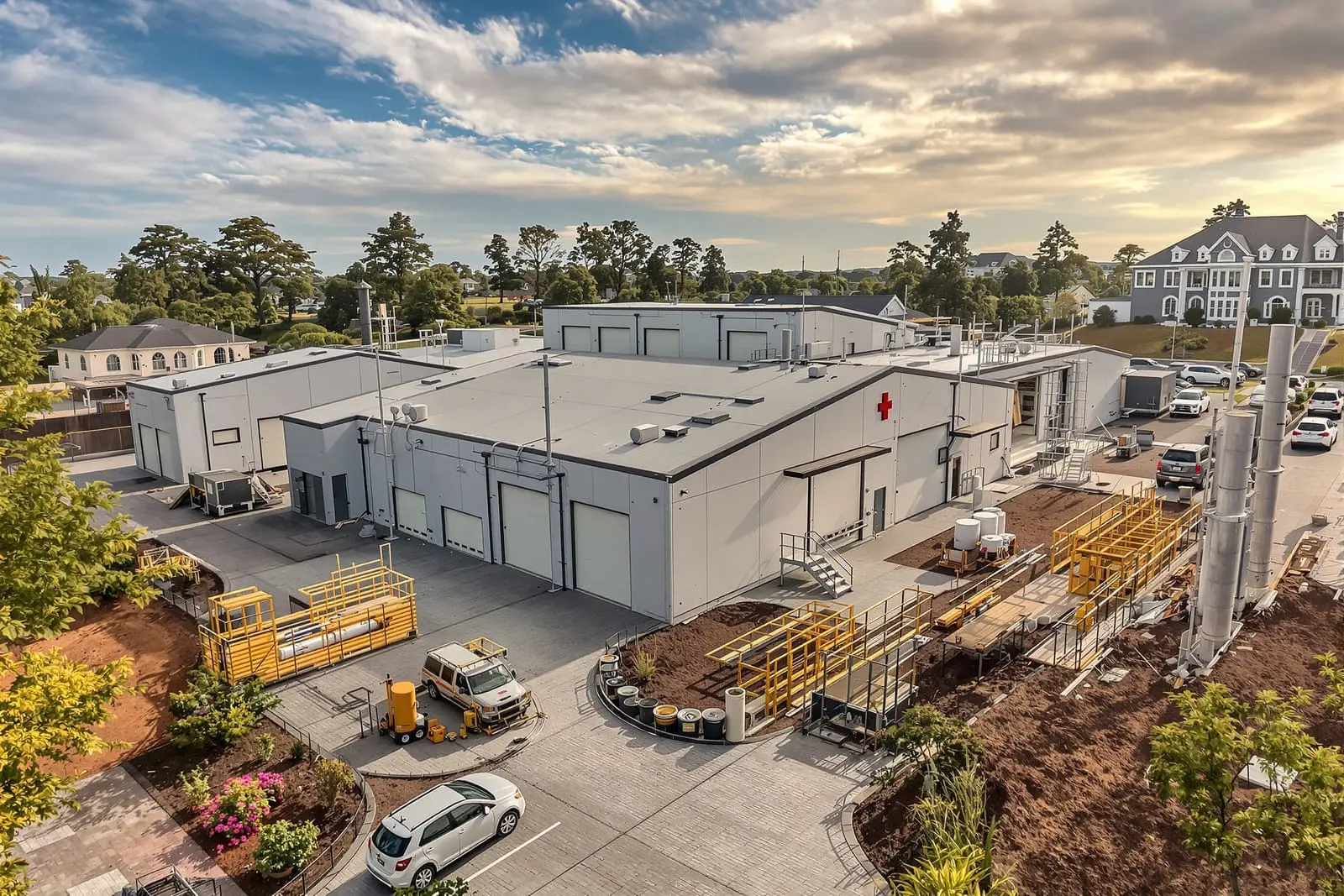
We provide full plant decommissioning and dismantling services in Denver, CO for manufacturing, processing, and utility facilities. Our team inventories assets, drains and cleans systems, removes process equipment, and demolishes structures as required. Reduce risk and maximize recovery with a single contractor managing your shutdown.
Wrexo Demolition Denver provides professional plant decommissioning throughout Denver, CO and the surrounding area. Our licensed, insured crew delivers safe, clean, on-time work with a free estimate before anything begins. Call (720) 315-7877 or request your free quote.
Plant Decommissioning in Denver: What We Actually Do
Plant decommissioning is a lot more than tearing out equipment. At Wrexo Demolition Denver, we treat it as a staged shutdown of an industrial site so the property can be sold, repurposed, or rebuilt without safety or environmental headaches later.
For Denver facilities, that usually starts with a full site walk. We map utilities, production lines, mezzanines, pits, and exterior structures, then compare what we see to any drawings or P&IDs you still have. We focus on gas, electrical, process piping, chemical storage, and any underground surprises that might exist from older operations that were never fully documented.
Once we understand how your plant was actually used, we create a decommissioning plan with clear phases: isolation and make safe, soft strip and asset recovery, structural dismantling, slab and below grade work, and final cleanout. Each phase is tied to schedule milestones that match your lease end, buyer requirements, or corporate shutdown date.
Because this is Denver, we also consider altitude, winter weather, and city permitting turnaround. That affects when we schedule crane picks, torch cutting, and heavy hauling so we are not trying to move oversized loads up I‑25 during a snow event or through downtown during rush hour.
Step‑by‑Step: How We Decommission and Dismantle a Plant
1. Utility isolation and verification
We coordinate with Xcel Energy and other providers to disconnect or safely temp power and gas. Inside the plant, we lockout and tagout electrical panels, verify de‑energization with meters, and physically cut and cap lines. For steam, compressed air, and process gases, we depressurize, purge as needed, then cap and label the stubs.
2. Decontamination and product removal
Before dismantling, we empty tanks, silos, lines, and hoppers of product or residue. For food and beverage plants this can be grain dust, sugar, or oils that pose both sanitation and explosion risks. For light industrial plants it might be cutting oils, coolants, or paint. We segregate these materials for disposal or recycling based on your waste profiles and local regulations.
3. Asset recovery and selective dismantling
If you plan to resell or relocate equipment, we unbolt and disconnect it instead of cutting it apart. Wrexo Demolition Denver uses forklifts, telehandlers, and rolled rigging to remove individual machines, conveyors, and mezzanine sections with minimal damage. We tag electrical and mechanical connections so your buyers or other facilities can reconnect it more easily.
4. Structural dismantling
Once valuable assets are out, we move to heavy dismantling. That can include taking down structural steel, platforms, large ductwork, boilers, cooling towers, and exterior process structures. We often work from the top down, using manlifts and cranes. Cuts are planned so loads do not shift unpredictably. Where there are neighbors close by, we reduce drop heights, use smaller lifts, and cut material into shorter lengths to control noise and vibration.
5. Floor, pit, and below grade work
Many Denver plants have trenches, sumps, or abandoned drains. After removing equipment, we clean these areas, break out damaged concrete, and either backfill and re‑pour or prepare them for whatever your next use will be. If you are handing the building back to a landlord, we match their restoration specs so there are no security deposit disputes.
6. Final cleanup and documentation
We finish with sweeping, magnet sweeping for metal, and removing all debris. If you need photographic documentation for a corporate closure package or a real estate transaction, we provide before and after photos, disposal tickets, and scrap weight records.
Hazards, Environmental Issues, and Compliance in Colorado
Industrial plants typically hold more risk than they show at first glance. Wrexo Demolition Denver starts each project with a hazard inventory so we are not surprised later.
Common issues we see around Denver include legacy asbestos in pipe insulation and transite panels, lead based paint on steel, combustible dust in rafters and ductwork, and old underground tanks that were “forgotten” in past expansions. We flag these during our walk and, when needed, bring in licensed abatement partners so the work stays compliant with Colorado Department of Public Health and Environment rules.
For plant decommissioning, permits can involve more than just a demolition permit. Depending on the site, you may need notifications for asbestos, stormwater measures, and waste transporter paperwork. We coordinate with the City and County of Denver or nearby jurisdictions like Commerce City, Aurora, and Englewood so you are not stuck in a paperwork delay on your critical path.
Waste handling is a big part of dismantling. We separate clean scrap steel, stainless, and aluminum from mixed debris so you can capture the scrap value. Oily or contaminated materials go to approved facilities, with manifests that tie back to your project. If you have an environmental consultant on the job, we work directly with them to meet sampling and documentation requirements for closure reports.
Noise and dust are frequent concerns in dense industrial corridors like RiNo or along Platte River industrial strips. We schedule the loudest activities for reasonable hours, use water suppression on cutting and concrete work, and set up debris chutes or controlled zones so neighbors, pedestrians, and your remaining staff stay safe.
Costs, Scheduling, and How to Control Your Budget
Plant decommissioning costs in Denver vary widely, and most of that is driven by four things: size and complexity of the facility, hazards present, how much equipment you want to save versus scrap, and your schedule flexibility.
A heavily automated facility with mezzanines, miles of cable tray, and multiple production lines will take more labor and planning than an open warehouse with a few pieces of equipment. If there is asbestos, lead, or significant contaminated concrete, abatement and disposal costs can exceed the demolition costs themselves.
The choice between salvaging equipment and scrapping it also affects price and schedule. Salvage and relocation work is slower and more precise, and sometimes requires custom skids, crating, or rigging. However, if you are reselling a line, that value can offset a notable chunk of your decommissioning cost. We routinely help owners weigh the resale value of equipment against the added labor to remove it intact.
Schedule drives cost too. A tight shutdown window with night or weekend work, common when a lease is ending in central Denver, will increase labor rates. If you can stage the work and let us phase dismantling while production tapers down, we can often keep more of the job on regular hours and reduce your total.
We approach pricing with a detailed breakdown, not a single lump sum with no explanation. Our proposals list major categories like soft strip, equipment removal, structural steel, concrete work, waste hauling, and disposal fees. That way, if you need to adjust scope, you can see exactly where to trim or expand without jeopardizing safety or compliance.
What Denver Plant Owners Should Do Before Hiring Us
You can save time and money on plant decommissioning by doing some preparation before we arrive for a formal bid.
First, gather any drawings, previous environmental reports, tank registrations, or permits you have. Even old or partial plans help us locate utilities, pits, and possible problem areas faster. If you have equipment lists with serial numbers and buyer interest, share those early so we can plan dismantling around what must be preserved.
Second, clarify your end goal for the site. Are you handing back a “broom clean” shell, preparing for a tenant improvement buildout, or selling the property as land for redevelopment Along the Denver Front Range, buyers often want slabs removed, underground structures filled, or certain utilities capped at specific points. Knowing that upfront allows Wrexo Demolition Denver to design the dismantling scope to match, instead of doing work twice.
Third, define access and operating limits. Let us know which parts of the facility must stay live during the transition, which docks we can use, and what hours we can run noisy work. Many Denver plants share walls or fences with offices, apartments, or public roads, so realistic constraints help us build a safe and efficient sequence.
Finally, select a single internal contact who can make decisions quickly. When we uncover something unexpected, such as buried pipe or undocumented equipment in a mezzanine, quick answers keep the project on schedule. We support you with photos, options, and cost impacts so you can sign off with confidence.
If you are planning a plant shutdown anywhere in the Denver metro area, from older industrial zones along I‑70 to newer parks in Aurora or Brighton, Wrexo Demolition Denver can walk the site with you, explain your options in plain terms, and build a decommissioning plan that fits your timeline, risk tolerance, and budget.
“
Professional plant decommissioning and dismantling, done right the first time, quality materials, honest pricing, and results that last.
Wrexo Demolition Denver
Plant Decommissioning and Dismantling Across Our Service Area